Jewelry Metals Guide
Explore Different Metal Types and Qualities
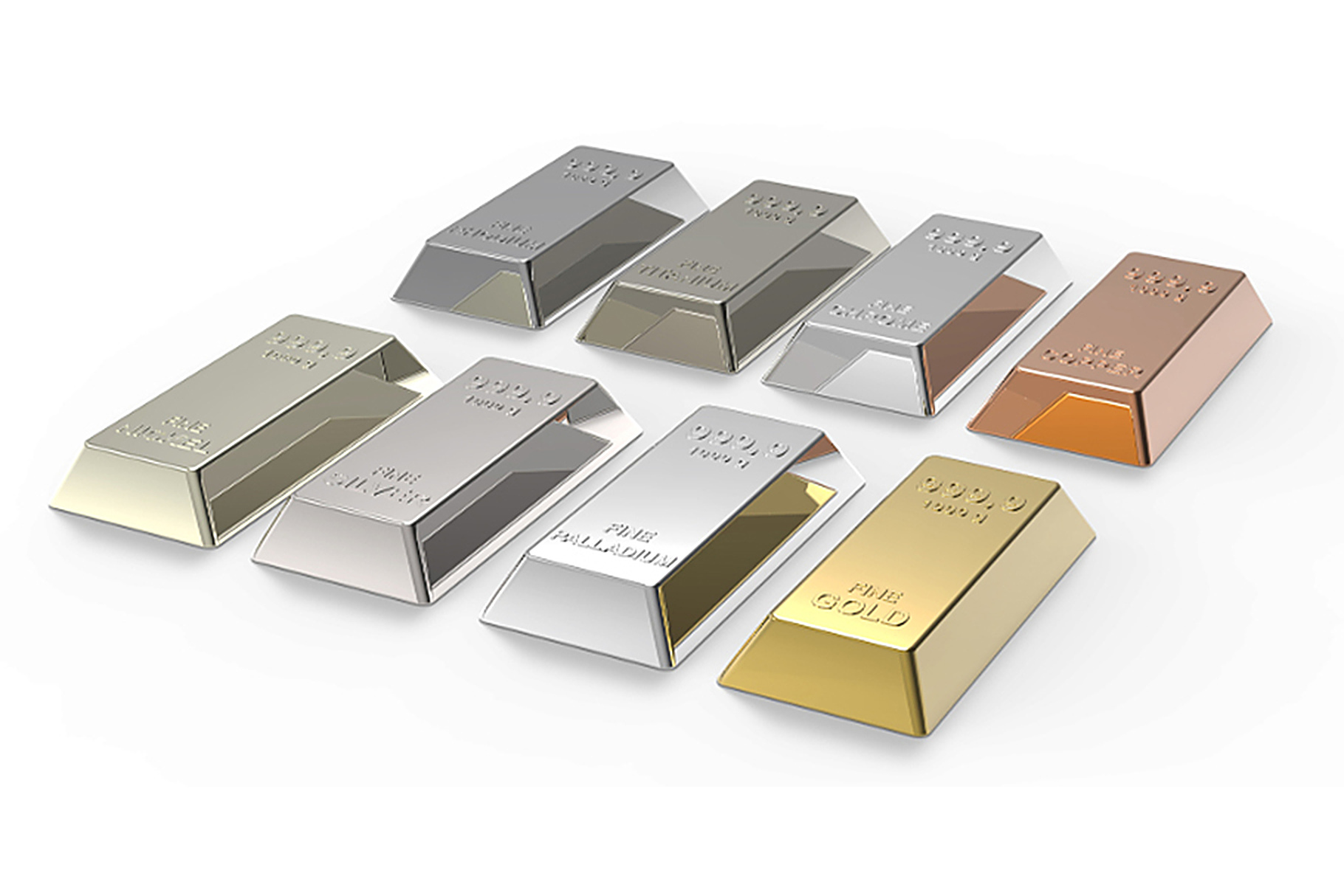
Several metals are used in the creation of fine jewelry, including platinum, gold, silver, stainless steel, brass and titanium. For making jewelry with any metal, an alloy or alloys need to be mixed. Here’s a short description and the reasons for mixing alloys with the metals.
Alloys
An alloy is a combination of a metal with at least one other metal. A jewelry alloy is any malleable metal, meaning capable of being formed or bent into different shapes, and ductile, which means its easily molded base metal that is added to a precious metal to change and improve its other properties. Jewelry alloying elements are added to provide elasticity, flexibility, strength, hardness, corrosion resistance, machinability and color. The most common way to combine metals with alloys is by melting them, mixing them together and then allowing them to solidify and cool back to room temperature.

Alloy types
The following alloy metals are frequently used to mix with precious metals:
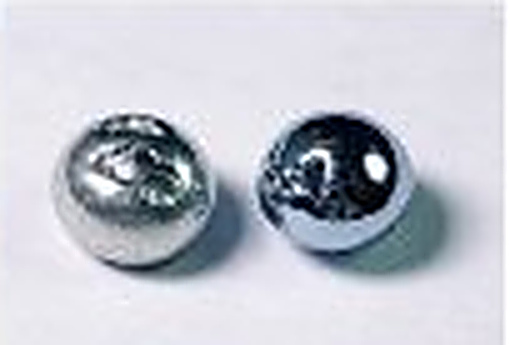
Rhodium
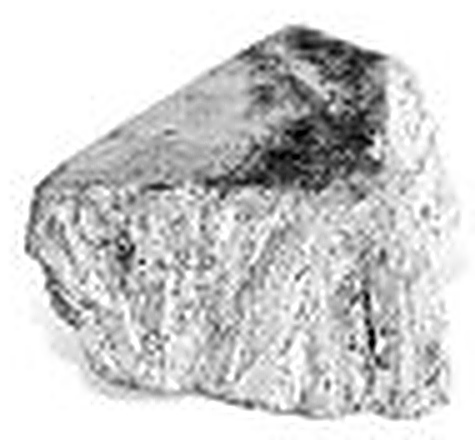
Rhodium
Rhodium is a hard, durable and silver-white metallic element that is highly reflective and resistant to corrosion. The name rhodium comes from the Greek word “rhodon,” meaning rose, named for the rose-red color of its salts. Classified as a noble metal, the characteristics of rhodium include high melting points, general non-toxicity, and resistance to wear, oxidation and corrosion.
High karat metals such as platinum and white gold are often soft and can be easily scratched and become very dull over time. Since rhodium is quite brilliant and resistant to tarnishing, it is used as a finish for jewelry. It is plated on metals to produce a durable, corrosion-resistant coating.
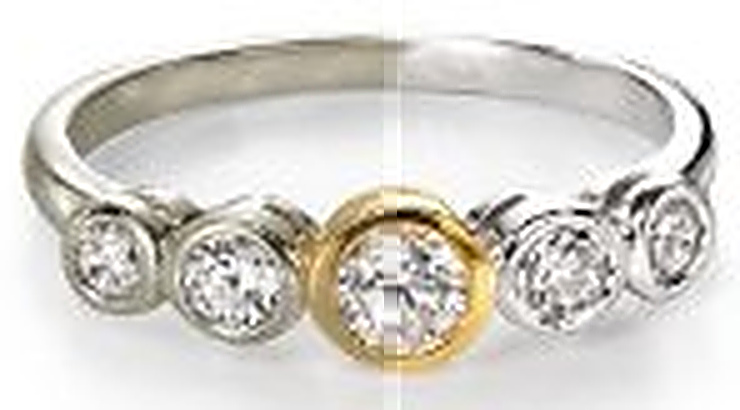
Jewelry made in yellow gold can be turned into “white” by rhodium plating!
Metal types
Here is the information about each of the base metal types mainly used in fine jewelry, with their unique qualities, to help you make a better and more informed decision when purchasing jewelry.
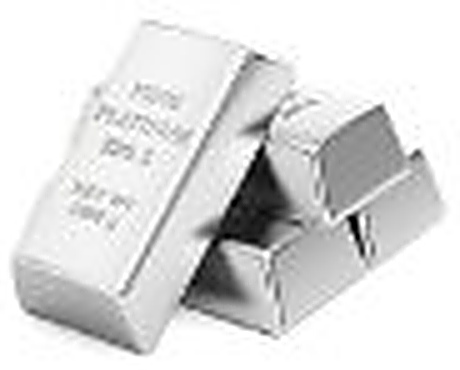
Platinum
- Symbol
- Pt
- Pros
- A noble, rare and natural white metal which is super durable and will not tarnish.
- Cons
- Very easy to scratch or leave markings on a jewelry item made using platinum due to its soft nature.
- Alloyed with
- Ruthenium, rhodium, palladium, osmium and iridium to make it even more durable.
- Purity of jewelry
- PT900 (90% pure platinum)
PT950 (95% pure platinum) - Jewelry metal colors available
- White
- To summarize
- Platinum is a prestigious selection, often chosen for its sophisticated appeal and popularity among the rich and famous.
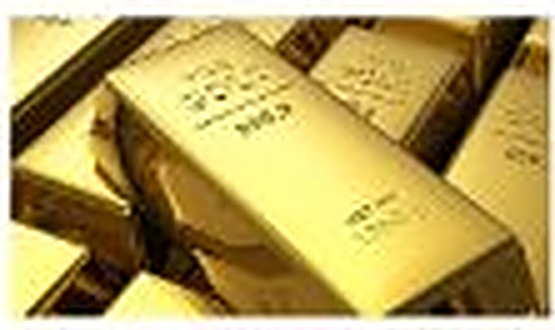
Gold
- Symbol
- Au (Aurum)
- Pros
- Doesn’t rust, tarnish or corrode, and it won’t lose its color over time. It is more malleable than platinum, so it’s easier to work into fine, intricate designs. Gold is considered a worthy and long-term investment. Available in various metal purities (karats, K) and colors.
- Cons
- Can become scratched, especially when worn on a daily basis. If alloyed with nickel, it may not be suitable for nickel metal allergy sufferers. Note: at Vie Jewels we do not use nickel.
- Alloyed with
- Silver, zinc, copper, nickel, palladium
- Purity of jewelry
- 18K (75% pure gold)
14K (58.33% pure gold)
10K (41.67% pure gold) - Jewelry metal colors available
- White
- Yellow
- Rose
- Black
- Blue
- Green
- Purple
- To summarize
- Gold is the most popular choice for jewelry, whether it is for wearing occasionally or to be worn on a daily basis.
Silver
- Symbol
- Ag (Argentum)
- Pros
- A natural, durable white metal, much less expensive than platinum and gold. It is malleable and easy to bend. Nickel-free silver jewelry is a good option for people with an allergy to nickel.
- Cons
- It will get tarnished easily from oxidization, and regular cleaning will be required so that it doesn’t darken and blacken with regular use.
- Alloyed with
- Copper
- Purity of jewelry
- 925 (92.5% pure silver)
- Jewelry metal colors available
- White
* Other colors available with plating
- To summarize
- Silver is a popular metal choice for those looking for an affordable option, especially for smart and trendy designs. However, regular cleaning and maintenance would be required too.
Titanium
- Symbol
- Ti
- Pros
- Strong, hard, lightweight, scratch-free, allergy-free and easy-to-color refractory metal. An exotic array of colors is available.
- Cons
- It cannot be soldered, and rings cannot be resized.
- Alloyed with
- None required
- Purity of jewelry
- 99 (99% pure titanium)
- Jewelry metal colors available
- Brown
- Dark blue
- Ice blue
- Yellow
- Peach
- Pink
- Fuchsia
- Magenta
- Purple
- Electric blue
- Aqua
- Teal
- Green
- Rainbow
- High polish
- To summarize
- Titanium jewelry is incredibly light, easy to wear and perfect for those with an active lifestyle.
Brass
- Symbol
- Copper (Cu) + zinc (Zn)
- Pros
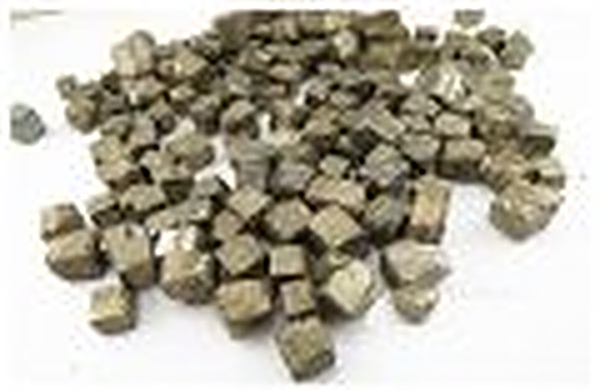
- Brass is known for its strength and durability. It is very malleable, making it ideal for shaping into intricate jewelry designs. It does not break easily, as it is not a brittle metal. Rather, it tends to stretch when under pressure. Brass jewelry can last through the ages with reasonable care and maintenance. Brass does not rust and is resistant to corrosion.
- Cons
- The metal might tarnish and change its color over time and may also cause an allergic reaction.
- Alloyed with
- Copper and zinc
- Purity of jewelry
- NA
- Jewelry metal colors available
- Golden brown
- To summarize
- Brass is durable, one of the most inexpensive metals and is nowadays finding favor in fashion jewelry.
Stainless steel
- Symbol
- Iron (Fe) + chromium (Cr)
- Pros
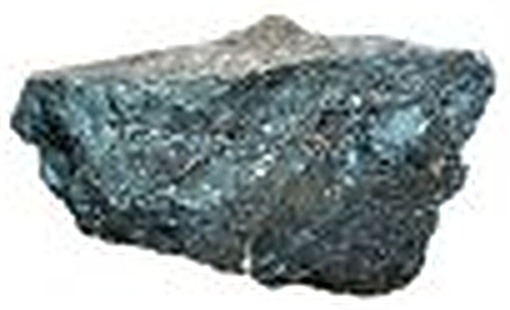
- Stainless steel is a naturally hardy alloy that can handle a lot of wear and tear due to its durability. It is hypoallergenic, making it a great choice for someone whose skin is sensitive to metal. The hard metal resists scratches and corrosion thanks to an invisible layer of chromium that prevents oxidation. It will also not tarnish, rust or fade. It is one of the cheapest metals for jewelry.
- Cons
- Despite its durability, stainless steel rings can dent. Sizing a stainless ring can be difficult because the metal is hard, rigid and stiff. This rigidity also makes it challenging for jewelers to set gemstones.
- Alloyed with
- Copper and zinc
- Purity of jewelry
- NA
- Jewelry metal colors available
- Natural white
- To summarize
- Due to its solid durability, hypoallergenic properties, affordability and silvery-white color, stainless steel jewelry appeals to many and is perfect for those on a budget.
Metal finishes
Precious metals can be finished in different ways, giving the jewelry an attractive surface appearance. Some of the most popular metal finishes include:
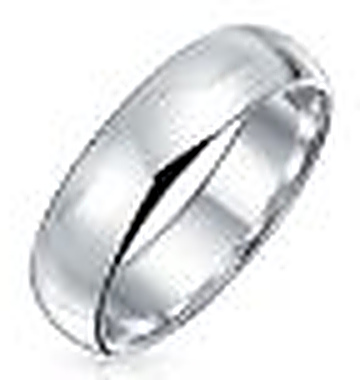
High polish
A high polish finish is reflective and shiny, and it is the most popular finish for fine jewelry.
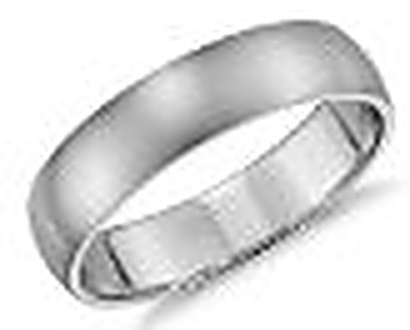
Matte
A satin or matte finish is smooth to the touch but is not shiny.
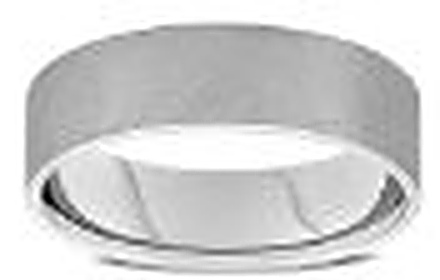
Brushed
A brushed finish shows texture and has a more distinct look.
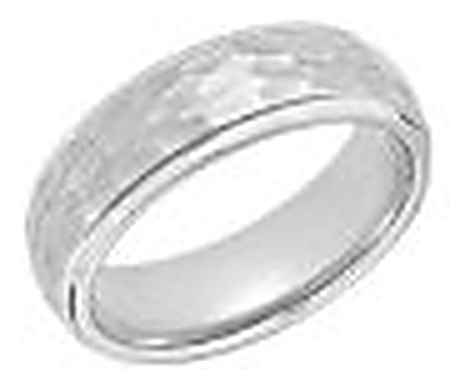
Hammered
A hammered finish is where the metal is hammered and then given a satin finish for a truly unique texture and style.
Milgrain
Milgrain means “one thousand grains” in French. The milgrain decoration is a form of tiny bead shapes that are raised, which add intricate detail and give jewelry an antique and elegant look.
Metal conversion chart
The metal conversion chart below will help you determine the amount of metal needed to create a piece of jewelry in a different metal. To use it, weigh the piece of jewelry. Then find the present metal in the left column of the chart and read across to the column of the new metal you want to make the piece in, to find the factor. Then multiply the current weight of the jewelry by this factor.
Example: You have a 14K white gold ring and would like the same ring made in platinum. The ring weighs 6 DWT. Go to the chart and find the 14K white gold row, then read across until you come to platinum. The factor is 1.708. Multiply 6 × 1.708 = 10.248. The ring made in platinum would weigh 10.248 DWT.
| Material | Wax | 925 Silver | 10K Gold | 14K Gold | 18K Gold | 24K Gold | 950 Platinum |
|---|---|---|---|---|---|---|---|
| Wax | 1.00 | 10.40 | 11.60 | 13.40 | 15.50 | 19.32 | 21.45 |
| 925 Silver | 10.40 | 1.00 | 1.11 | 1.25 | 1.46 | 1.87 | 2.06 |
| 10K Gold | 11.60 | 0.90 | 1.00 | 1.13 | 1.32 | 1.69 | 1.88 |
| 14K Gold | 13.40 | 0.80 | 0.89 | 1.00 | 1.17 | 1.50 | 1.66 |
| 18K Gold | 15.50 | 0.68 | 0.76 | 0.85 | 1.00 | 1.28 | 1.42 |
| 24K Gold | 19.32 | 0.54 | 0.59 | 0.67 | 0.78 | 1.00 | 1.11 |
| 950 Platinum | 21.45 | 0.48 | 0.53 | 0.60 | 0.70 | 0.90 | 1.00 |